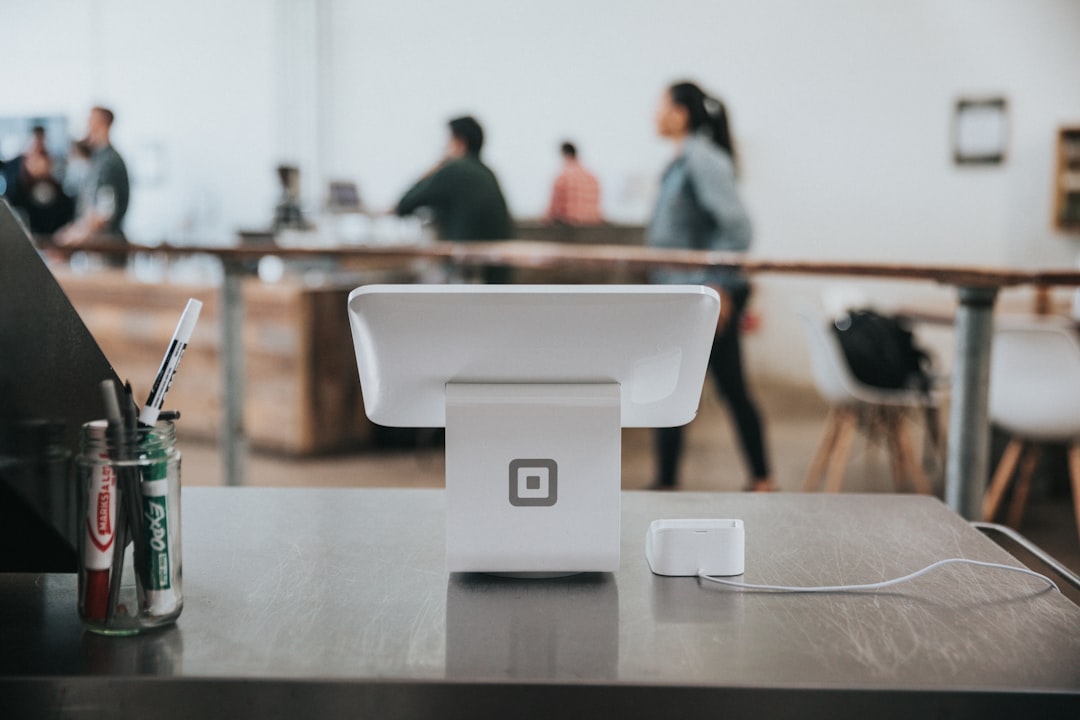
Use gaming tech to drive in-store engagement: low-cost AR/interactive ideas that actually convert
Practical AR, gamification, and kiosk ideas SMBs can deploy fast to boost in-store engagement and conversion.
CES signals have made one thing clear: the next wave of retail innovation is not about flashy “future store” concepts that only work in flagship locations. It is about borrowing the interaction patterns that make gaming sticky—instant feedback, clear rewards, lightweight immersion, and repeatable progression—and applying them to everyday commerce. For SMBs, that means practical tools like AR retail try-ons, gamified loyalty, kiosk-based discovery, and interactive displays that turn browsing into measurable buying behavior. If you are already thinking about checkout speed, customer engagement, and conversion lift, this guide will show you how to deploy those ideas without enterprise budgets, including hardware choices, vendor shortlists, and realistic performance targets.
That matters because modern shoppers increasingly expect retail to feel as responsive as the apps and games they use at home. A store experience that mirrors the best of gaming mechanics can reduce hesitation, shorten decision time, and create a reason to return. For operators who are balancing labor shortages, tighter margins, and the need to prove ROI, the smartest approach is to start small, instrument everything, and scale only what converts. If you are also exploring broader customer-experience improvements, it is worth connecting this guide with our resource on client experience as marketing and the operational lessons in audience playbooks that win attention.
Why gaming tech belongs in retail right now
CES gaming set the UX expectation
At CES, the most durable signals rarely come from one product category; they come from the way categories converge. Gaming hardware and experiential retail have been converging around low-latency interaction, spatial interfaces, and “show me, don’t tell me” product discovery. That matters to SMBs because the same affordances that make a game feel alive—motion, reward loops, and immediate visual payoff—can reduce retail friction and make product exploration more intuitive. The practical takeaway is simple: if a customer can understand and enjoy the interaction in five seconds, you are more likely to earn a dwell-time increase and a purchase.
Another CES takeaway is the normalization of affordable components that were once expensive and bespoke. Touchscreens, depth cameras, tablet-based kiosks, and cloud-connected content management are now available in forms that do not require a systems integrator to deploy. That means smaller retailers can build experiences similar to larger experiential stores with far less capital. The same logic that helps operators evaluate shifting tech markets in market-timed launch planning applies here: buy when hardware and software costs are falling, not when the concept is already saturated.
Interactive retail turns passive browsing into guided choice
Retail conversion often fails not because customers dislike the product, but because they face too many undecided moments. Interactive displays and AR overlays solve that by narrowing choice at the point of interest. A kiosk can ask a few structured questions, recommend the right item, and visualize the result in context. Instead of leaving customers to compare tags and guess fit, you replace uncertainty with guided action.
This is particularly useful for categories with appearance, size, or configuration risk: eyewear, cosmetics, shoes, furniture, accessories, and electronics. In each case, the gamified interaction acts like a “soft commitment” mechanism, allowing customers to experiment safely before buying. For SMBs that also care about inventory accuracy, pairing engagement data with sales history creates a more precise merchandising loop, similar to how inventory intelligence helps stores stock what actually sells locally.
Low-cost is the strategic advantage
The most effective in-store tech does not have to be expensive; it has to be reliable, visible, and easy to maintain. A tablet, a wall mount, a QR code flow, and a simple web AR experience can outperform a costly custom installation if it is easier to launch and staff can support it. SMBs win when they treat interactive retail like a testable campaign, not a permanent cathedral. The goal is not spectacle for its own sake; it is conversion lift with manageable operating cost.
Pro Tip: If your interactive concept cannot be deployed in one store in under 30 days, it is probably too complex for an SMB pilot. Start with one product category, one user flow, and one conversion goal.
Three low-cost interactive concepts that actually convert
AR try-ons for product confidence
AR retail works best when it removes a buying objection that staff normally have to answer repeatedly. For beauty and accessories, an AR try-on can show shade, placement, style, or proportion. For furniture and home goods, it can show scale and fit in a space. For electronics, it can visualize size comparison, colorways, or accessory combinations. The point is not to wow people with novelty; it is to reduce the “I’m not sure” moment that stalls checkout.
A practical SMB setup usually relies on a tablet or a customer’s phone. In-store, you can mount an iPad or Android tablet at the shelf edge, pair it with a stable stand, and load a web-based AR experience or vendor app. Basic specs to look for include a device with at least 8 GB of RAM, a modern chipset, a front-facing camera suitable for tracking, and a reliable Wi‑Fi 6 connection. If your category relies on body or face alignment, a higher-quality camera and strong ambient lighting matter more than raw processing power. For a broader approach to customer-facing workflows, see how app-discovery mechanics and platform simplicity influence adoption.
Gamified loyalty that rewards small actions
Loyalty programs fail when they feel like delayed rebates instead of progress. Gamification changes that by making status visible and rewards immediate. Customers can earn points for scanning products, completing a profile, trying an AR demo, reviewing a purchase, or returning to the store within a time window. These micro-actions are more effective than generic sign-ups because they train the customer to engage repeatedly, not just at checkout.
The easiest implementation is a digital stamp card or points system with tiered badges. You can pair it with SMS, push notifications, or QR-based triggers depending on your stack. For brands choosing between channels, our guide to RCS, SMS, and push messaging strategy is useful for deciding how to remind customers without overwhelming them. The best gamified loyalty programs create a loop: interact, earn, unlock, return. That loop is especially powerful for SMBs because the economics are favorable even with modest transaction frequency.
Kiosk experiences that guide discovery
Kiosks remain one of the highest-ROI interactive formats because they can be placed where hesitation happens: at shelf edges, service counters, waiting areas, and entrances. A good kiosk experience asks one or two questions, recommends a product bundle, and offers a clear next step. That may mean “find my size,” “compare options,” “build my bundle,” or “show me in my room.” The interface should never feel like a data-entry form; it should feel like a guided game with a useful prize.
Hardware-wise, SMB kiosks can run on a commercial display or tablet, a secure enclosure, a barcode scanner, and optionally a receipt or label printer. Touch screens in the 21- to 32-inch range work well for single-user discovery, while larger 43-inch displays are better if you want the experience to attract attention from nearby foot traffic. If you want broader context on experiential formats, the logic is similar to what happens in immersive experiential partnerships: the experience itself becomes the advertisement.
Vendor shortlists and hardware specs for SMB pilots
AR and interactive software vendors to evaluate
When choosing vendors, prioritize deployment speed, CMS usability, analytics, and compatibility with your existing ecommerce or POS stack. For AR retail, look at platforms that support web AR or lightweight mobile flows so customers do not have to download a custom app. For gamification and loyalty, favor solutions with native segmentation and easy POS integration. For kiosk software, choose vendors that support remote content updates, offline fallback modes, and local device management. In SMB environments, the difference between “powerful” and “usable” often determines whether the pilot survives beyond month one.
A practical vendor shortlist usually includes a mix of specialized tools and flexible frameworks. For AR try-ons, consider vendors that support face, body, or surface tracking with analytics overlays. For interactive displays, content platforms with drag-and-drop journey builders are ideal. For loyalty, prefer systems that can trigger rewards based on in-store scans, transactions, and visits. If your business already invests in analytics or workflow automation, pair this with operational thinking from event-driven workflow design and the measurement discipline in simple analytics stacks.
Basic hardware spec sheet by use case
The table below summarizes practical entry-level hardware for common interactive retail use cases. These are not luxury specs; they are the minimum viable configurations that balance cost, durability, and performance. In many SMB deployments, the main risk is under-specifying the display or over-specifying the software before proving demand. Treat these as a baseline for pilot planning and total cost of ownership.
| Use case | Recommended hardware | Minimum specs | Why it works | Typical SMB budget range |
|---|---|---|---|---|
| AR try-on station | Tablet on stand | 8 GB RAM, modern CPU, 64 GB storage, Wi‑Fi 6, 12MP camera | Fast setup, low maintenance, easy customer interaction | $350–$1,200 |
| Interactive kiosk | Commercial touchscreen display | 21–32 inches, 1080p, tempered glass, commercial-grade touch | Strong shelf-edge discovery and clear navigation | $900–$3,500 |
| Wayfinding or product picker | Android mini PC + display | 4–8 cores, 8 GB RAM, SSD, HDMI, remote management | Flexible and easier to lock down than consumer laptops | $450–$1,500 |
| Gamified loyalty wall | Large display + QR flow | 43-inch screen, browser-based content, stable network | Attracts attention and drives self-service engagement | $700–$2,800 |
| Product comparison bar | Tablet + barcode scanner | USB or Bluetooth scanner, secure mount, cloud CMS | Turns comparison shopping into a guided interaction | $250–$900 |
Budgeting for durability and support
SMBs often underestimate maintenance, not hardware cost. A cheap consumer tablet can fail because of heat, battery wear, or accidental shutdowns, while a commercial screen can run longer with fewer interruptions. If you expect heavy foot traffic, choose enclosures, anti-theft mounts, and remote device management from day one. Also budget for content refreshes, because stale interactions reduce trust and kill repeat use.
To keep the project operationally simple, think like a retailer and like an installer. Does staff know how to restart it? Can a manager update the content without a vendor ticket? Is there a fallback if the network fails? These questions are as important as the visual design. Similar disciplined planning is recommended in analytics-driven pricing systems, where the best tool is only valuable if the operational loop is dependable.
How to design an interactive flow that converts
Start with a single purchase objection
Every successful interactive experience should solve one buying problem better than a human associate can do in under 30 seconds. For example, if customers hesitate because they do not know which shade, style, size, or bundle to pick, create an interaction that outputs one clear recommendation. Do not build a full digital showroom unless your store traffic and staffing justify it. One objection, one interaction, one offer is the right formula for a first pilot.
A useful mental model is the conversion path used in efficient fulfillment and merchandising systems: remove ambiguity, present the next best choice, and make completion easy. That same thinking appears in fulfilment crisis playbooks because demand spikes punish complexity. In retail interaction design, complexity also kills momentum. The fewer steps between curiosity and a decision, the higher your odds of conversion.
Make rewards immediate and visible
In gaming, players stay engaged because feedback is fast and progress is visible. Retail interactions should borrow that pattern. If someone scans a product, they should instantly see a comparison, a match score, a reward point, or a visual transformation. If they complete a quiz, the result should not be hidden in an email two days later. Immediate gratification creates the emotional bridge from browsing to buying.
That does not mean every interaction needs a discount. A useful reward can be a bundle suggestion, personalized styling recommendation, reserved inventory, or an in-store perk. If your brand can support it, create tiered rewards that encourage repeat visits, much like progression systems in games. For businesses that want to deepen the loop beyond the store, lessons from game design using tracking data show how feedback quality changes user behavior.
Keep the interaction under 60 seconds
Retail attention spans are short, and the best interactive experiences respect that. If the flow takes longer than one minute, you should assume it needs simplification or a stronger reason to continue. This is especially true at checkout-adjacent points where customers are already focused on completing the trip. A short flow also makes staff training easier and reduces abandonment.
The winning pattern is usually: scan, answer, show, choose, buy. Add optional depth for customers who want more, but default to speed. That is why web-based AR and simple kiosk paths are often better than deeply customized applications. In the same way that reliable content feeds outperform chaotic ones, structured interactive flows outperform feature-heavy clutter.
Projected lift metrics: what SMBs can realistically expect
Conversion lift depends on category and placement
Not every interactive concept produces the same lift, and SMBs should avoid generic promises. In categories with fit, shade, or configuration uncertainty, AR try-ons can improve conversion by reducing returns and increasing confidence. In high-consideration but low-frequency categories, kiosks can raise attachment rates by making bundles easier to understand. In traffic-heavy environments, gamified loyalty can improve repeat visits and email/SMS capture. The right benchmark is not “did people like it?” but “did it move a measurable purchase metric?”
The table below offers pragmatic planning ranges for pilot forecasting. These are directional estimates based on common SMB retail deployment patterns, not guarantees. Your actual numbers will depend on traffic quality, category, staff adoption, and whether the interaction is placed where customers naturally pause. For a more strategic lens on customer trust and repeat engagement, see how trust turns into revenue and how social signals shape product desire.
| Initiative | Primary KPI | Conservative lift | Good pilot lift | Best-case pilot lift |
|---|---|---|---|---|
| AR try-on | Conversion rate | +3% to +5% | +6% to +12% | +15%+ |
| Gamified loyalty | Repeat visits | +2% to +4% | +5% to +10% | +12%+ |
| Interactive kiosk | Attachment rate | +2% to +4% | +5% to +9% | +10%+ |
| Product comparison station | Basket size | +1% to +3% | +4% to +8% | +10%+ |
| QR-based mini game | Lead capture | +5% to +8% | +10% to +18% | +20%+ |
What to measure in the first 30 days
For a pilot to be meaningful, instrument the experience from day one. Track dwell time, interaction start rate, completion rate, assisted conversions, and units per transaction. If possible, compare exposed stores with control stores or compare pre- and post-launch performance in the same location. The most important discipline is isolating one variable at a time so you know what actually moved.
Also measure staff behavior. If employees avoid the tool, the problem may be training, placement, or workflow friction rather than customer interest. If the interaction is heavily used but not linked to sales, you may need a stronger call to action, clearer recommendations, or tighter product availability. This kind of operational lens is similar to the one used in small business hiring and capability planning: the tech is only as effective as the team supporting it.
Implementation roadmap for SMBs
Phase 1: Pilot the highest-friction category
Begin with the category where customers ask the most questions or abandon the most often. That may be cosmetics, accessories, specialty electronics, or home decor. Place the interaction where the decision normally happens, not where it looks best on the floor. The goal of phase one is to prove behavior change, not to build a brand monument.
Choose one KPI and one fallback path. If the kiosk or AR flow fails, staff should be able to complete the sale manually without confusion. Keep the content narrow, and do not introduce upsells until the main flow is stable. If you need a model for prioritizing simplicity over surface area, revisit the reasoning in human-first content strategy, which translates surprisingly well to customer experience design.
Phase 2: Add rewards and segmentation
Once the base flow works, layer in loyalty mechanics. Segment first-time visitors, repeat customers, and high-intent browsers. Offer different incentives based on behavior, not just spend. A first-time visitor might get a product tutorial reward, while a repeat visitor gets early access or bonus points.
At this stage, integrate email or SMS follow-up, but keep messaging relevant and sparse. Customers should feel helped, not tracked. If your team manages multiple tools, create event-based automation so a kiosk interaction can trigger a reward, a profile update, or a merchant alert. This is where lessons from event-driven workflows become practical retail automation.
Phase 3: Scale what proves lift
Scale only the experiences that demonstrate both conversion lift and manageable support load. If an AR station drives engagement but causes too many device issues, improve hardware before expanding. If a kiosk increases basket size but gets ignored in some zones, relocate it. This is less about technology and more about repeatable store ops.
Also think about content refresh cadence. A great experience becomes stale quickly if the product catalog or promotions do not stay current. Monthly updates are usually enough for SMB pilots, while promotional categories may require weekly changes. A strong operational cadence is what turns novelty into a durable sales tool.
Common mistakes SMBs should avoid
Buying spectacle before solving a problem
The most expensive mistake is choosing a visually impressive system that does not address a real customer pain point. If shoppers already know what they want, a giant interactive screen may create more clutter than value. Better to solve one recurring objection than to impress people with a feature they never use. Remember that retail technology is judged by throughput, not theater.
Ignoring content operations
Interactive retail fails when teams treat content as a one-time launch asset. Prices change, SKUs rotate, and seasonal promotions evolve. If updating the kiosk requires a developer ticket, the system will go stale and staff will stop trusting it. Build a content operation process before launch, not after.
Underestimating measurement and attribution
It is not enough to say the display was “busy.” You need evidence that the experience changed buying behavior. Use store-level benchmarks, simple dashboards, and clear pre/post comparisons. For teams that want a disciplined way to think about live signals and adaptive action, the operational mindset in real-time risk feeds offers a useful analogy: monitor the right signals, then act quickly.
How to choose the right project for your store type
Beauty, apparel, and accessories
These categories are best suited for AR try-ons, shade matching, style quizzes, and loyalty loops. Shoppers want reassurance that the item will look right, and interactive previews directly answer that need. Small-format tablets, mirrors with overlaid content, and QR-based reward cards can all work well. If your store has an aspirational brand identity, make sure the interaction feels premium and not gimmicky.
Electronics, gaming, and specialty retail
In electronics and gaming, interactive comparison kiosks and guided bundle builders tend to perform best. Customers want to understand feature differences quickly, especially when they are choosing between models that look similar. A display that helps them compare specs, accessories, warranties, or add-ons can directly increase average order value. This is also where gaming-style presentation fits naturally, because the audience already understands progress, loadouts, and tiers.
Home, gift, and lifestyle retail
For home and lifestyle stores, spatial AR and product visualizers are especially useful. Customers need help imagining scale, color, and room fit. A kiosk can combine inspiration with practical recommendations, such as “complete the room” or “build the set.” If you want to borrow from adjacent retail logic, the merchandising discipline in bundle promotion strategy is a helpful analogy for turning individual items into a larger basket.
Conclusion: the best retail experiences feel like useful games
The strongest gaming-tech ideas for SMB retail are not the most futuristic ones; they are the ones that make shopping easier, faster, and more rewarding. AR retail, gamification, and interactive displays work when they reduce uncertainty and create a clear next step to purchase. If you keep the experience lightweight, measurable, and operationally simple, you can generate meaningful conversion lift without enterprise-level spend.
That is the central lesson from CES gaming and experiential retail signals: immersive does not have to mean expensive, and interactive does not have to mean complicated. Start with one friction point, deploy a low-cost station, measure what changes, and scale only the ideas that move revenue. For more strategic planning around store-tech adoption and customer experience, revisit our internal guides on immersive experiences, gaming feedback loops, and customer experience operations.
FAQ
How much does a low-cost AR retail pilot typically cost?
A basic pilot can start under $1,000 if you use a tablet, stand, and web-based AR experience. More polished kiosk deployments usually land in the $1,500 to $5,000 range depending on display size, enclosure, and software licensing.
Which in-store interactive idea delivers the fastest ROI?
For most SMBs, the fastest ROI comes from interactive kiosks or comparison stations because they solve a direct buying problem and can influence basket size immediately. AR try-ons can be extremely effective too, but they often need stronger content and category fit.
Do customers actually use gamified loyalty features?
Yes, when the reward is immediate and the behavior is simple. Customers are more likely to participate if the action is tied to a scan, visit, or product interaction rather than a complicated points system that feels detached from the store experience.
How do I know if the project is working?
Track dwell time, completion rate, assisted conversion, units per transaction, repeat visits, and attach rate. If you can compare pilot stores against non-pilot stores, that is even better because it makes the lift easier to isolate.
What if my team does not have technical staff?
Choose browser-based tools, commercial hardware, and vendor-managed software with remote updates. The best SMB pilots are simple enough for store staff to restart, update, and explain without IT involvement.
Related Reading
- Centralized Streaming vs. Fragmented Platforms - Useful context on how audiences adopt new digital experiences.
- Immersive Campus Concerts - A look at experiential formats that turn attention into participation.
- Design games with athlete-level realism - Strong inspiration for feedback loops and motion-driven engagement.
- Integrating Real-Time AI News & Risk Feeds into Vendor Risk Management - A practical framework for monitoring fast-moving signals.
- DIY Data for Makers - Build the lightweight measurement stack your pilot needs.
Related Topics
Marcus Ellison
Senior SEO Editor
Senior editor and content strategist. Writing about technology, design, and the future of digital media. Follow along for deep dives into the industry's moving parts.
Up Next
More stories handpicked for you

Accessibility on a budget: practical assistive tech buys for small retailers in 2026

Beyond the headlines: How quantum optimization will reshape supply chains and when your business can benefit

Prepare now for the quantum encryption threat: a small business playbook

Selecting Headsets for Hybrid Teams: Balancing Call Quality, Comfort, and Cost

How to Spot Social‑Media‑Driven FOMO in Tech Procurement
From Our Network
Trending stories across our publication group

How to read market research like the Proleukin report — and why consumers and tech investors should care

Squeeze More Life From Your MacBook Neo: Battery, Charging, and Power Settings That Work

Cheap Laptop, Pricier Habits: How to Avoid Filling Up the Neo’s 256GB SSD
How We'll Shop in 2030: The Retail Tech Trends from CES and Beyond
Build a Student Productivity Stack: Laptop + Smartwatch Pairings That Actually Help You Study
